Some of the posts on Mercury Pets contain affiliate links to products. That means if you click on that link and then make a purchase, we receive a percentage of the sale. We only recommend products we’ve used and support, and there’s no additional cost to you — the money goes right back into making this site the best it can be! Thanks for reading.
Your tortoise waddles up like it’s dinner time, takes one sniff of the salad, then acts personally betrayed by the concept of greens. If that sounds familiar, welcome to the club. Picky tortoises are surprisingly common, especially if they’ve learned that ignoring romaine sometimes leads to “the good stuff” (looking at you, fruit).
A tortoise diet for picky eaters works best when you treat food like a habit, not a negotiation. For most pet tortoises (especially Mediterranean species like Russians, Greeks, and Hermann’s, plus African grassland types like sulcatas and leopards), a fiber-first menu supports steady digestion, smoother growth, and long-term shell health.
This guide gives you a simple base salad, greens and weeds many tortoises actually accept, low-stress tactics that don’t turn you into a short-order cook, and foods to skip. Quick safety note: diets vary by species and age (for example, red-foot tortoises eat differently than grassland tortoises). If appetite drops hard, weight falls, or your tortoise refuses food for more than a few days, call an exotics vet.
Start with a simple “base salad” picky tortoises are more likely to accept
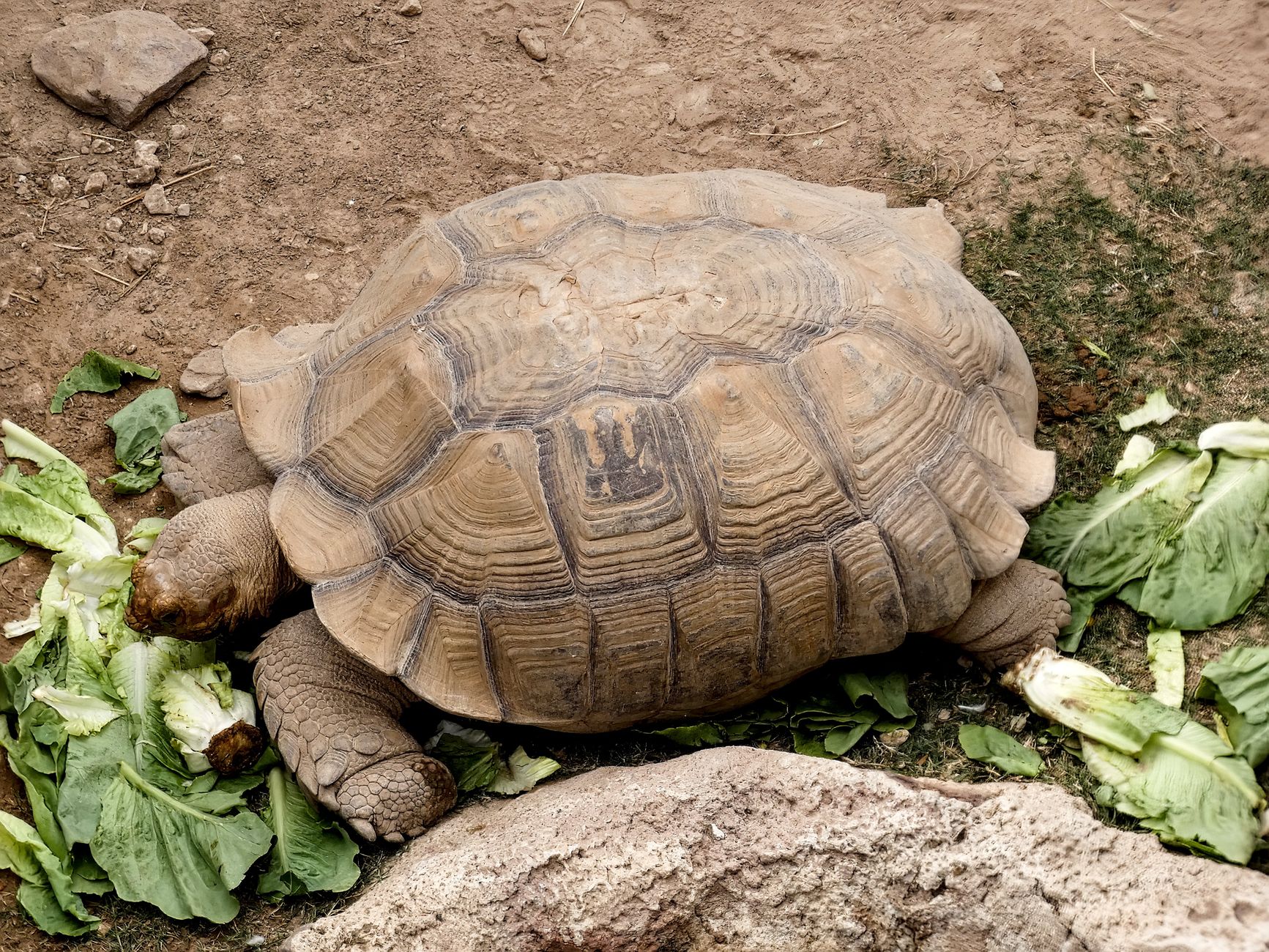
Photo by David OBD
If your tortoise is fussy, the fastest way to lose your mind is switching foods every day. Instead, build a repeatable “base salad” and stick with it for 1 to 2 weeks before you reinvent the menu. Consistency helps your tortoise recognize the smell and texture as “food,” not “suspicious leaf pile.”
Start with grocery greens you can find year-round, then rotate a couple staples so your tortoise doesn’t imprint on just one leaf and declare all others illegal.
Keep it clean and boring (at first):
- Wash all greens well, especially if they’re not organic.
- Avoid anything sprayed with pesticides or herbicides.
- Skip bagged mixes with mystery leaves unless you can ID what’s inside.
- Iceberg lettuce isn’t a staple, it’s mostly water with not much payoff.
A simple base you can repeat:
| Base salad part | What to use | Why it helps picky eaters |
|---|---|---|
| Main greens | 2 to 3 staple greens (see next section) | Familiar smell and texture builds routine |
| Moisture + crunch | A little romaine or endive | Often gets the first bite started |
| Fiber boost | Optional handful of chopped hay (for grassland species) | Adds “grazing” feel and slows eating |
For a solid list of commonly used greens and veggies across herbivorous reptiles, keep this greens and vegetables reference bookmarked. It’s handy when you’re standing in the produce aisle, squinting at chicory like it owes you money.
Staple greens that often win the first bite
These are the “plain t-shirt” greens. Not fancy, not dramatic, just reliable. Try building your base salad around two or three of these at a time, then rotate weekly.
Dandelion greens are a frequent favorite, they smell “wild” and many tortoises go for them fast. Collard greens are sturdy and nutrient-dense, and they hold up well in the bowl. Endive or escarole can be a picky-eater cheat code because the texture is crisp and the flavor is mild. Mustard greens and turnip greens add variety without turning the salad into a sugar party. Romaine, red leaf, and green leaf lettuce can help with hydration and acceptance (just don’t let lettuce become the whole diet). Arugula and chicory are also worth trying, some tortoises like the sharper taste.
The trick is not finding the one magic green. It’s avoiding the trap where your tortoise will only eat one thing forever. Rotate a small set so you’re not stuck buying “the one leaf” from the one store across town.
Safe weeds and forage options that feel like “real tortoise food”
Some tortoises ignore store greens but light up for yard weeds like they’re dining at a five-star salad bar. That’s because, for many species, weeds and grasses are the natural menu.
Good forage options (when you can source them safely) include plantain, sow thistle, and pesticide-free dandelions. If you want a deeper plant list for tortoises and land turtles, this edible plants and weeds guide is a helpful jumping-off point.
Safety rules matter more than enthusiasm:
- Only pick from areas you know are chemical-free (no lawn treatments, no “weed and feed,” no bug sprays).
- Avoid roadside plants, they can carry contaminants.
- Learn plant ID before feeding, “it looks right” is not a plan.
- Rinse forage well.
If you have outdoor space, a simple grazing pen can turn mealtime into a choose-your-own-adventure story. For ideas on grazing-style feeding and weeds as a core concept, Melissa Kaplan’s desert tortoise diet sheet is a classic reference.
Tactics that work when your tortoise refuses greens
Picky eating usually isn’t stubbornness, it’s either habit or a setup problem. Before you try fancy toppers, do a quick reality check: are you feeding lots of fruit, offering pellets like candy, or leaving food out all day until it wilts into sadness? Is the enclosure too cool, UVB weak, or the tortoise stressed?
A tortoise that’s too cold often eats poorly. A tortoise that’s stressed may hide and ignore food. A tortoise that learned “if I wait, I get fruit” will absolutely wait you out.
If you want a practical owner story focused on pellets (and how to get a stubborn tortoise to try them), this picky tortoise pellet article has useful, realistic tips.
Make new greens feel familiar with slow swaps and tiny chops
Think of this like sneaking a new song into a playlist. Don’t start with an album no one asked for.
Use the slow-swap method:
- Start with the green your tortoise already accepts.
- Mix in a small pinch of a new green (5 to 10 percent).
- Increase the new green over 7 to 14 days.
Chopping or shredding helps a lot, especially for selective biters who try to eat around the “offensive” leaf. When everything’s cut into similar sizes, it’s harder to sort like a tiny food critic.
Feed at about the same time each day (many tortoises eat best in the morning after warming up). Remove leftovers so tomorrow’s meal smells fresh, not like yesterday’s damp lettuce regret.
Boost the smell and texture without turning dinner into dessert
Some tortoises need a little encouragement, but you don’t want to teach them that refusing dinner earns sweets. Keep boosters dry, earthy, and plant-based.
A few safe ways to make greens more tempting:
- Lightly mist the salad to brighten smell and add crunch.
- Let refrigerated greens warm to room temp before serving.
- Sprinkle a pinch of dried edible flowers or leaves (hibiscus, rose hips, mulberry leaves).
- Add a small amount of dried forage mix for a “meadow” smell.
Skip fruit juice, sugary toppers, or constant fruit “bribes.” It trains picky behavior fast, and sugar-heavy feeding can upset gut balance in species meant to live on grasses and weeds.
Use pellets and hay the smart way (support foods, not the whole diet)
Pellets can help fill gaps, especially when your tortoise is on a greens strike, but they work best as a helper, not a total replacement for fresh foods.
For picky tortoises, soak pellets until spongy, then crumble them into chopped greens. You can also press the mix into a thin “green patty” so each bite counts. Common options many keepers use include Mazuri Tortoise Diet LS, Zoo Med Grassland Tortoise Food, and Fluker’s Tortoise Diet.
For a balanced take on where prepared diets fit (and why they can be useful without taking over), see this overview of prepared tortoise diets.
If you keep a grassland species that benefits from hay, offer Timothy or orchard grass hay on the side as free-choice. Don’t bury it under wet greens. Soggy hay turns into a sad mat, and most tortoises won’t touch it after that.
Foods to skip (and common “healthy” foods to limit)
This is where many picky eaters get accidentally created. If your tortoise holds out and you respond with fruit, bread, or high-protein snacks, you’ve basically taught them the dinner version of “refuse your veggies and you’ll get cookies.”
Some foods also cause real health trouble, not just bad habits. Too much sugar can upset digestion. Too much protein can strain the body in species built for weeds. Some greens interfere with calcium use when fed too often.
Avoid list: the foods that cause the most trouble
Avoid these as regular foods (and many should be a hard no):
- Fruit as an everyday item (especially for grassland and Mediterranean tortoises)
- Animal protein (meat, eggs, dog or cat food)
- Dairy of any kind
- Bread, pasta, grains, and processed snacks
- Mushrooms
- Unknown or toxic weeds, or any plant from a sprayed yard
- Iceberg lettuce as a staple (it fills them up without much nutrition)
If you’re not sure whether a plant is safe, don’t “test it” on your tortoise. Use a trusted plant database, such as The Tortoise Table edible plants PDF, and confirm ID first.
Limit and rotate: good foods that can backfire if overfed
Some greens sound like superheroes but can cause issues if they become the whole diet.
Spinach, chard, and beet greens are classic examples because they contain oxalates, which can bind calcium. Kale and a few other brassicas get talked about because of goitrogens, which is why many keepers treat them as rotation greens, not daily staples.
A simple rule that works in real life: if it’s a “power green,” don’t make it the only green. Build the diet around high-fiber staples (dandelion, endive, collards, mustard, turnip greens, safe weeds), then rotate the stronger stuff in smaller amounts.
Keep it balanced: calcium, UVB, and portions that make greens easier to accept
Sometimes “picky” is actually “not set up to feel hungry.” Tortoises need the right temps to digest well, and they need UVB to use calcium properly. When those basics are off, appetite often gets weird.
Diet and lighting also team up for shell growth. If UVB is weak or missing, adding more calcium powder won’t fully fix the problem. You want both: calcium coming in, and UVB helping the body use it.
Calcium support that doesn’t turn meals into a chalk party
Most keepers use a plain calcium powder on greens a few times a week. A common schedule is 2 to 3 times weekly for many adults, and 3 to 4 times weekly for fast-growing juveniles (your species and vet guidance matter here).
If your tortoise acts like calcium-dusted greens are a personal insult, go lighter. You can also offer a cuttlebone so they can nibble as needed. Popular, easy-to-find options include Rep-Cal Calcium and Zoo Med Repti Calcium, plus plain cuttlebone packs.
For a deeper discussion of supplement choices and how they fit into overall growth and husbandry, this Tortoise Trust supplement guide is worth reading when you have a quiet moment and a cup of something warm.
Quick portion and schedule tips for picky eaters
Portion size doesn’t need math class. A practical starting point is a pile of chopped greens about the size of your tortoise’s shell, adjusted for age and body condition. Serve it in the morning, after your tortoise has had time to warm up under the basking area.
Use a shallow slate, plate, or feeding tile. It keeps the food cleaner and helps avoid “sand salad,” which no one asked for. Keep fresh water available, and consider regular soaks for juveniles if your vet recommends it.
If your tortoise eats a little, great. If they eat nothing for a day but act normal, don’t panic and throw fruit at the problem. Stay consistent, keep the enclosure dialed in, and track what changes.
Conclusion
Picky tortoises don’t need fancy menus, they need a plan that doesn’t blink first. Start with a strong base salad, rotate a few dependable greens, and use slow swaps so new foods stop feeling suspicious. Add smell and texture with safe toppers, let pellets and hay help (not dominate), and skip high-sugar and high-protein foods that cause trouble.
Track what gets eaten for two weeks, patterns show up fast. If appetite drops sharply, weight falls, or your tortoise seems off, talk to an exotics vet sooner rather than later. A calm routine and a fiber-first menu can turn the pickiest little tank into a steady, happy grazer.