
Some of the posts on Mercury Pets contain affiliate links to products. That means if you click on that link and then make a purchase, we receive a percentage of the sale. We only recommend products we’ve used and support, and there’s no additional cost to you — the money goes right back into making this site the best it can be! Thanks for reading.
A long beak looks almost like a built-in tool, part tweezers, part spear, part straw. It’s one of the fastest ways to guess what a bird eats, and where it hunts.
Below, you’ll get names of birds with long beaks, plus simple notes for each one: what it looks like, where it lives, and what that long beak is for (nectar, fish, crabs, insects in bark, worms in mud).
Quick pet note before we start: most of these birds are wild and highly specialized, so they aren’t “home bird” options. But they’re perfect to learn about, spot in the wild, and see in reputable zoos and aviaries.
Quick guide: what makes a beak “long” (and why it matters)
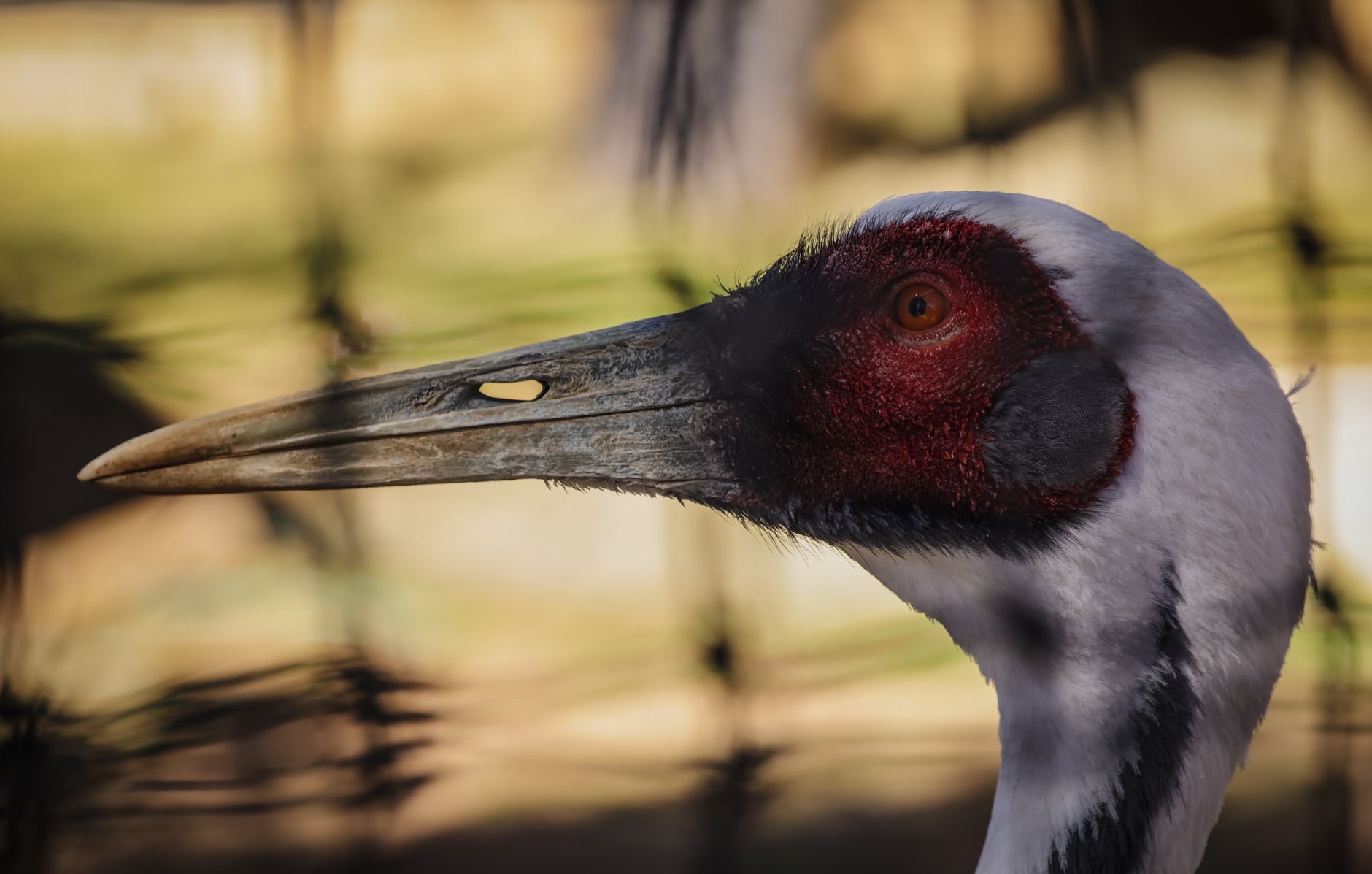 Photo by Magda Ehlers
A beak counts as “long” when it looks long compared to the bird’s head (sometimes even the body), not just long in inches. That’s why a hummingbird can have a “long beak” even though it’s tiny, and why a pelican’s bill looks huge even on a big bird.
Long beaks usually solve a food problem. They help birds reach meals others can’t, like worms buried in mud, fish in deep water, or nectar tucked inside tube-shaped flowers. If you’re trying to ID birds, the beak is like a clue you can see from far away.
For bird lovers who want to watch these species up close, a basic pair of binoculars makes a big difference. A simple browse through bird-watching binoculars can help you compare sizes and prices without overthinking it. A printed guide also helps when similar birds blur together, the National Geographic Field Guide to the Birds of North America is a solid classic for beginners.
One more honest note for pet-minded readers: long-beaked birds are often built for one job. That usually means special diets, big space needs, and stress in small enclosures, so they’re not beginner pets.
The 6 most common “beak jobs” you’ll see in this list
- Probe: Curlews reach deep into mud for crabs and worms.
- Spear: Herons stab fish with a fast, dagger-like strike.
- Scoop: Pelicans use a throat pouch like a net.
- Skim: Skimmers fly low and “slice” the water surface for fish.
- Sip: Hummingbirds drink nectar like a living straw.
- Grab fruit: Toucans and hornbills reach and pluck fruit from branches.
If you want more examples and photos for comparison, this roundup from BirdWatching Daily on long-billed birds is a helpful visual reference.
A simple way to tell similar long-beaked birds apart
Length is only half the story. Shape matters just as much.
Curved down bills (curlews) often mean deep probing. Straight, dagger bills (herons, storks) usually mean spearing or grabbing. Spoon-shaped tips (spoonbills) hint at sweeping side to side. Upturned bills (avocets) often sweep shallow water like a windshield wiper.
When you’re looking at photos, check three things: the curve direction, the tip shape, and whether the bird feeds by stabbing, sweeping, or probing.
23 names of birds with long beaks (plus fast ID clues)
Each entry keeps it simple: where it lives, what the beak does, and one quick ID tip you can use in real life.
Nectar sippers (and one slim-billed contrast)
1. Sword-billed Hummingbird (Ensifera ensifera)
High in the Andes of South America, it feeds from long, tube-shaped flowers. Its bill is so long it can reach nectar other birds miss. ID tip: look for a tiny bird with a bill that seems almost impossible, like a needle longer than its head (or more). For a deeper background read, see Sword-billed hummingbird facts.
2. Eurasian Hoopoe (Upupa epops)
Found across parts of Europe, Asia, and North Africa, it hunts on the ground. The slim, slightly curved bill probes soil for insects and grubs. ID tip: a bold orange crest and zebra-like wings make it hard to confuse with anything else.
Fish catchers: spear, scoop, grab, and skim
Pelicans scoop, herons spear, storks grab, and skimmers skim. Same “long bill” theme, very different methods.
3. Australian Pelican (Pelecanus conspicillatus)
Common on Australian coasts and inland waters. Its huge bill and pouch scoop fish in one fast dip. ID tip: very long bill, pale body, and it often sits like a floating barge.
4. American White Pelican (Pelecanus erythrorhynchos)
Seen on lakes and wetlands across North America. It works in groups, herding fish before scooping them up. ID tip: big white bird with black wing tips in flight and a deep throat pouch.
5. Goliath Heron (Ardea goliath)
Found in sub-Saharan Africa near rivers, lakes, and swamps. The long, strong bill spears fish and other prey with a quick jab. ID tip: massive heron with a chestnut-brown head and neck.
6. Marabou Stork (Leptoptilos crumenifer)
Lives across parts of Africa in wetlands and open areas. Its heavy bill grabs fish, frogs, and also scavenged food. ID tip: bare head, huge body, and a droopy throat pouch.
7. White Stork (Ciconia ciconia)
Breeds across Europe and parts of Asia, winters in Africa in many areas. Its long, straight bill picks up insects, frogs, and small animals from fields and marsh edges. ID tip: white body, black wing edges, red bill and legs.
8. Eurasian Spoonbill (Platalea leucorodia)
Found in parts of Europe, Africa, and Asia in shallow wetlands. The spoon-shaped bill sweeps side to side, snapping up small fish and aquatic bugs. ID tip: look for the flat “spoon” tip and slow, steady sweeping motion.
9. Black Skimmer (Rynchops niger)
Lives along coasts and large rivers in the Americas. Its lower bill is longer, letting it skim the water surface for fish at dawn or dusk. ID tip: knife-like bill and low, gliding flight right over the water.
10. Shoebill (Balaeniceps rex)
Native to East African swamps. The huge, shoe-shaped bill grips slippery prey, including fish like lungfish. ID tip: tall gray bird with an oversized bill that looks like a wooden clog.
Wetland birding often means spray, mud, and surprise rain. Even a simple “keep-it-dry” setup helps, and a small dry bag or rain jacket is worth considering for trips (especially if you carry optics). For scope ideas beyond binoculars, this guide to spotting scopes in 2026 explains what to look for.
Shoreline probers: long bills built for sand and mud
Bill direction is your shortcut here: curving down (curlews), straight (snipe, godwit), and upturned (avocet). Watch the feeding style too, some poke, some sweep.
11. Eurasian Curlew (Numenius arquata)
Found in Europe and western Asia, often on mudflats and coastal marshes. Its long, downcurved bill probes deep for worms and crustaceans. ID tip: very long curved bill and a haunting, bubbling call.
12. Long-billed Curlew (Numenius americanus)
Lives in western North America, often in grasslands and nearby shorelines. Its long bill pulls insects and crabs from soil and sand. ID tip: cinnamon body and an extra-long downcurved bill.
13. Whimbrel (Numenius phaeopus)
A widespread migrant along coasts worldwide. The bill is shorter than a curlew’s but still curved, great for probing and picking crabs. ID tip: bold head stripes, like a sporty helmet.
14. Bar-tailed Godwit (Limosa lapponica)
Breeds in Arctic regions and migrates to coasts in Europe, Africa, Asia, and Oceania. Its long bill probes mud for worms and shellfish. ID tip: long, slightly upturned bill and long-distance migrant behavior.
15. Common Snipe (Gallinago gallinago)
Found across Europe and Asia, also parts of Africa, in wet meadows and marshes. Its straight bill probes soft mud for insects and larvae. ID tip: excellent camouflage, it often flushes suddenly with a zigzag flight.
16. Pied Avocet (Recurvirostra avosetta)
Seen in parts of Europe and Asia in shallow lagoons and salt ponds. The long, upturned bill sweeps through water to catch tiny aquatic prey. ID tip: black-and-white pattern and that elegant upward curve.
17. Oystercatcher (Haematopus spp.)
Different species live on coasts worldwide, often on rocky shores and mudflats. The strong, long bill pries open shellfish or pulls worms from sand. ID tip: bold black-and-white look (varies by species) and a thick, bright bill, often orange or red.
If you’re building a small bird book shelf, the wider category page for bird field guides makes it easy to pick a region-specific guide.
Fruit grabbers and bark hunters: big bills for reach, prying, and display
Big bills aren’t always heavy tools. In toucans and hornbills, the bill can be surprisingly light, helping them reach fruit on thin branches. Researchers also discuss how large bills may help with heat control, acting a bit like a radiator.
Also, a gentle reminder for pet seekers: toucans and hornbills have complex care needs, and they aren’t casual pets.
18. Toco Toucan (Ramphastos toco)
Native to South America in forests and savannas. Its large bill helps it reach and handle fruit, plus it can grab insects and small prey. ID tip: giant orange bill and a white throat.
19. Keel-billed Toucan (Ramphastos sulfuratus)
Found in Central America in tropical forests. The colorful bill helps it pluck fruit and pass food items with precision. ID tip: rainbow bill colors that look painted on.
20. Great Hornbill (Buceros bicornis)
Lives in parts of India and Southeast Asia in forested areas. Its big bill and casque help with fruit feeding and display, and the bird can also take small animals. ID tip: huge yellow bill with a tall casque, plus loud wing beats.
21. Rhinoceros Hornbill (Buceros rhinoceros)
Found in Southeast Asian forests, including Borneo and the Malay Peninsula. The massive bill helps it handle fruit and may play a role in calls and display. ID tip: a curved casque that looks like a horn on top of the bill.
22. Red-billed Scythebill (Campylorhamphus trochilirostris)
Native to South American forests. The long, curved bill pries insects from bark crevices like a living lock pick. ID tip: slim brown bird with a dramatic “scythe” curve to the bill.
For more odd and flashy bill examples (beyond long bills), this photo-heavy read on birds with unbelievable beaks is fun and informative.
One truly unusual long-beak bird (and why it’s different)
23. Kiwi (Apteryx spp.)
Kiwis live in New Zealand forests and are active mostly at night. Unlike most birds, their nostrils sit near the tip of the bill, helping them smell worms and insects underground. ID tip: round, fuzzy-looking body and a long bill used like a probe. Kiwis are protected wildlife, not pets.
How to enjoy long-beaked birds without owning one (easy, pet-friendly ideas)
Learning these birds in the wild makes you a better bird caretaker in general. You start to notice how much a beak is tied to diet, space, and daily habits.
Start with places that match the beak “job.” Marshes and lake edges are great for pelicans and herons. Mudflats and tidal bays are perfect for curlews, godwits, and avocets. Rivers at dusk can surprise you with skimmers.
Go early or late for the best action. Birds feed when the light is softer and crowds are smaller. Keep your distance, move slowly, and avoid playing calls or baiting birds. That stress adds up, especially during migration.
If you want a fun goal, the Great Backyard Bird Count runs February 13 to 16. Even logging common birds helps track bigger patterns that affect wetlands and shorelines.
A simple upgrade is choosing one reference you’ll actually use, not the biggest book on the shelf. The rotating list on best-selling bird field guides can be a quick way to see what other beginners buy.
Simple gear that makes birdwatching easier (without going overboard)
Binoculars are the big one. After that, it’s comfort items: shoes that handle mud, a small notebook, and a basic guide. For families, look for binoculars that fit smaller hands and aren’t too heavy.
If you’re unsure what’s popular, this roundup of top-rated binoculars gives plain-English picks and use cases.
If you want a bird at home, what to know about beaks and care
Watching wild beaks at work teaches a simple truth: a beak is a tool, and tools need the right materials. Pet birds need safe chew options, a proper diet, and space to move. Many long-beaked wild birds also need specialized foods and large areas, which is why they don’t fit typical homes.
If you’re serious about getting a bird, focus on species bred for companionship, then research noise level, lifespan, and avian vet access before you commit. A curious bird with the wrong setup can turn that beak into a wrecking bar in a week.
Conclusion
Long beaks aren’t just “extra long noses.” They’re built for a job, sipping nectar, skimming water, probing mud, or picking fruit that sits just out of reach. Once you learn the shapes, you start spotting these birds faster, even from far away.
Pick your favorite from the 23 and try to find it in photos or in the field, then note what the beak is doing. The more you watch, the more the beak story makes sense. If any of the linked gear helps you enjoy birds responsibly, it’s a bonus, not a requirement.


